Designing a browser-based creative tool for experimental image-making.
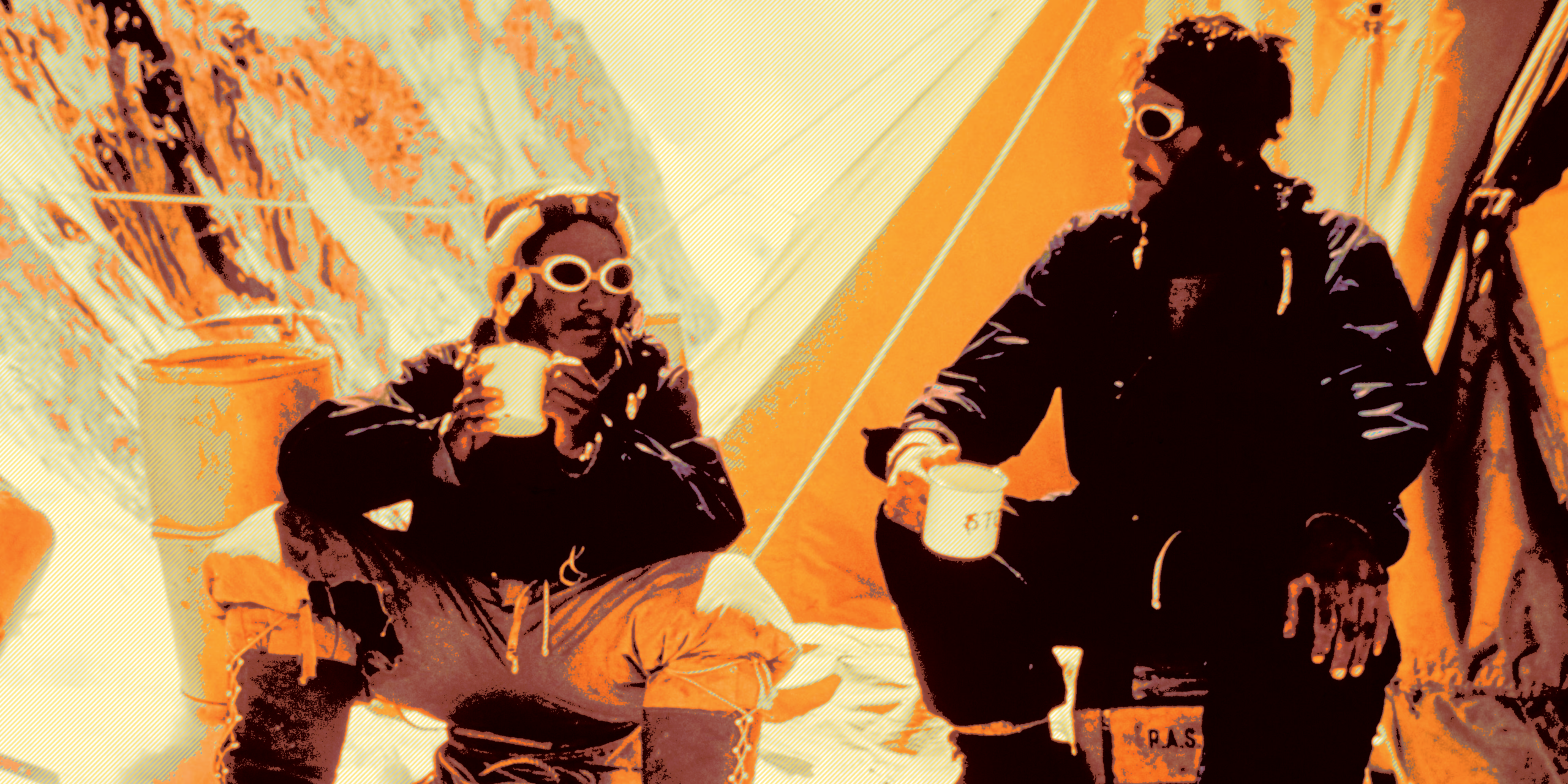
Posterama transforms ordinary images into poster-style artwork using dithering, halftone patterns, and other visual treatments. The experience brings image processing into an interactive workspace where users can experiment with effects, refine their results, and export finished compositions.
Overview
Posterama is an independent design-and-development project exploring how procedural image effects can become part of an accessible creative workflow.
The goal was to create a tool that combines the immediacy of visual experimentation with the control of a dedicated image editor. Users can explore different treatments, adjust their approach, save effect combinations as presets, and export their work directly from the browser.
The project brings together interaction design, interface design, and front-end implementation.
Challenge
How can image processing feel like creative exploration?
Image effects can produce compelling results, but the process of finding the right combination often involves navigating complicated controls and repeatedly adjusting settings.
Posterama approaches this as an interaction-design problem.
The interface needs to make experimentation accessible while giving users enough control to shape the final result. Effects should be easy to explore, combinations should be reusable, and the path from source image to finished artwork should remain straightforward.
Approach
I approached Posterama as a focused creative workspace built around three principles.
Make experimentation immediate.
The experience centres on transforming images through visual treatments. The interface should help users understand the relationship between an image and its resulting appearance.
Keep creative control accessible.
Dithering algorithms and pattern overlays provide different ways to change an image’s visual character. These capabilities need to be presented through an interface that supports exploration without requiring users to understand the underlying processing techniques.
Connect exploration to output.
A creative tool needs to support the complete process, from selecting an image to refining its appearance and exporting the result. Presets help users preserve useful combinations and return to them later.
Designing the experience
Image transformation
The source image provides the foundation for the creative process.
Posterama applies image-processing effects in the browser, allowing users to explore poster-style treatments without sending their images to a remote processing service.
Visual to include: the prototype with a source image and its transformed result.
Dithering and pattern effects
Dithering and pattern overlays introduce texture, contrast, and a graphic character associated with printed posters.
These effects are the core creative instruments of the tool. Their presentation should make experimentation approachable while preserving the range of visual outcomes available to the user.
Visual to include: a comparison of several actual effect combinations applied to the same source image.
Presets and repeatable results
Creative exploration often involves discovering a combination worth keeping.
Preset management allows users to save and reload effect combinations, making it easier to revisit previous treatments and establish a repeatable starting point for new work.
Visual to include: the actual preset interface, showing how combinations are saved and loaded.
Export
The workflow concludes with a downloadable image.
PNG export provides a practical way to use the generated artwork beyond the application, connecting experimentation inside the tool with the user’s broader creative process.
Visual to include: a finished composition alongside the export control.
Technical approach
Posterama is implemented as a browser-based application using React and TypeScript.
The codebase separates the application shell, reusable interface components, image-processing features, shared hooks, and styling. This structure provides a foundation for developing the creative tools independently while maintaining a coherent application experience.
Image manipulation takes place client-side. This keeps the processing workflow within the browser and means source images do not need to be uploaded to a remote server for the documented transformations.
The project combines interface design with working front-end implementation, allowing the interaction model to be explored in a functional prototype.
Outcome
Posterama brings image transformation, procedural effects, reusable presets, and PNG export into a single browser-based creative tool.
The project demonstrates an approach to designing focused creative software: make the underlying capabilities accessible through the interface, support experimentation, and connect the process to a usable output.
